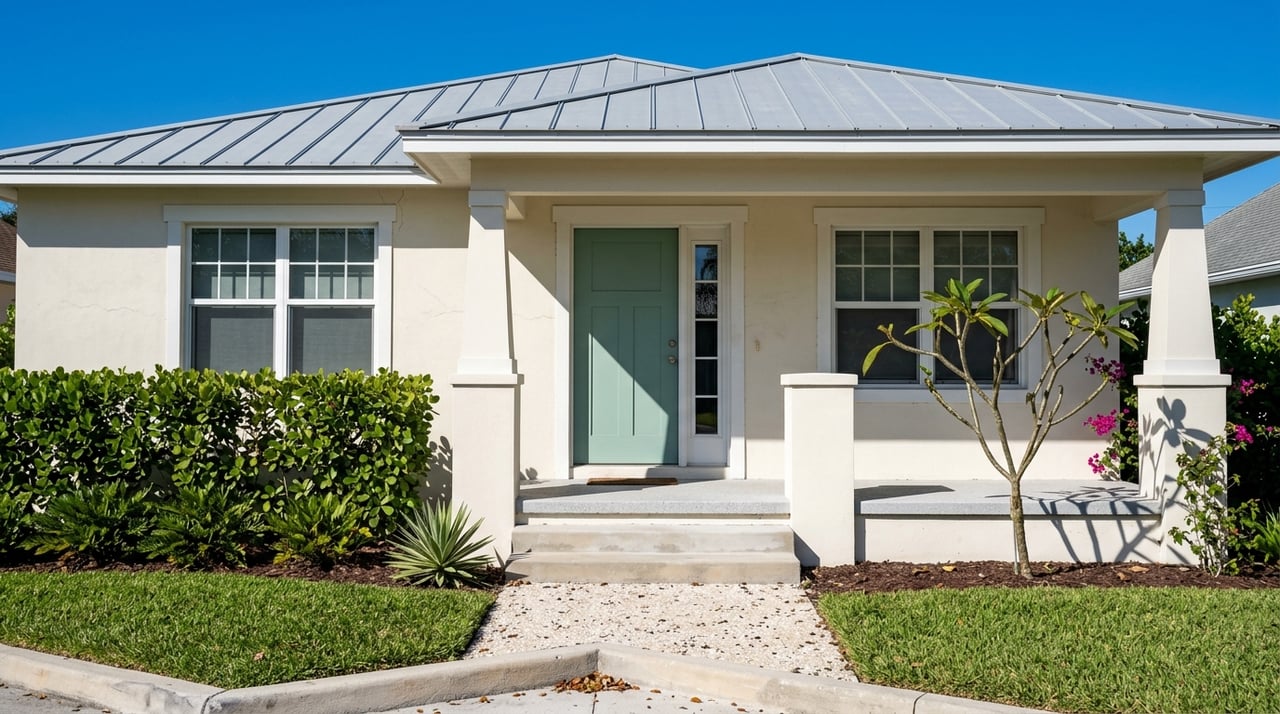
Dreaming of a home with a front porch, a breezy layout, and real Old Florida personality? In Lake Worth Beach, cottages and bungalows offer exactly that kind of everyday coastal charm. If you are drawn to smaller historic homes, walkable surroundings, and architecture with character, this guide will help you understand what makes these properties so appealing and what to keep in mind before you buy or sell one. Let’s dive in.
Why cottages and bungalows fit Lake Worth Beach
Lake Worth Beach has deep historic roots. Incorporated in 1913, the city describes itself as an authentic Old Florida community with intimate residential neighborhoods, a central downtown core, colorful cottages, and natural beauty. That identity helps explain why cottages and bungalows feel so connected to the city’s image and everyday lifestyle.
This is also a place where preservation matters. Lake Worth Beach recognizes six local historic districts: Old Town, Old Lucerne, Northeast Lucerne, Southeast Lucerne, South Palm Park, and College Park. In these areas, exterior work is reviewed through a Certificate of Appropriateness process before permits are issued, which shows how seriously the city takes the character of its older homes.
Historic districts shape the story
Old Lucerne shows early cottage roots
Old Lucerne was the city’s first speculative settlement. The district includes early Wood Frame Vernacular homes that are locally called Coastal Cottages, along with later Mission, Bungalow, and Mediterranean Revival examples. Its typical 50-foot-wide lots, front setbacks, and alleyways help create the traditional neighborhood pattern many buyers notice right away.
Northeast and Southeast Lucerne keep the scale small
Northeast Lucerne developed largely on 25-foot-wide lots and is dominated by single-story homes. Its mix includes Wood Frame Vernacular, Minimal Traditional, Masonry Vernacular, Bungalow, Ranch, and Streamline Moderne homes, which adds visual variety while keeping a compact residential feel.
Southeast Lucerne also reflects smaller-lot development. The city highlights Wood Frame Vernacular and Bungalow homes here, including properties with broad porches and efficient footprints. If you love homes that feel cozy without feeling cramped, this pattern is a big part of the appeal.
South Palm Park and College Park add range
South Palm Park blends residential and commercial history and includes early Wood Frame Vernacular, Bungalow, and Mission-style buildings, followed later by Art Deco, Streamline Moderne, Minimal Traditional, and Masonry Vernacular homes. The district also has unusual block patterns, landscaped medians, and some deep lots along the Intracoastal edge.
College Park leans more Mediterranean Revival in its earliest housing stock, but it still adds to the larger historic picture. Rear garages, apartments, and later mid-century homes show how Lake Worth Beach neighborhoods evolved over time instead of staying frozen in one period.
What Lake Worth Beach bungalows look like
The bungalow is best understood as a house type, not one strict style. That is why Lake Worth Beach includes everything from simple vernacular cottages to homes with Craftsman, Mission, or Mediterranean influences. Even with that variety, many of these homes share a few key features.
Porch-forward design
Front porches are one of the clearest visual cues. In Lake Worth Beach, many cottages and bungalows keep that street-facing, porch-centered look that makes the home feel welcoming and connected to the block. Broad porches, stoops, and shaded sitting areas are part of the everyday experience.
Low profile and compact scale
These homes usually have one to one-and-a-half stories, broad rooflines, and a low-slung appearance. The architecture emphasizes width, shade, and shelter rather than height. That horizontal look plays a big role in the relaxed coastal feeling buyers often want.
Simple but charming details
According to the city’s preservation materials, local bungalow-style structures were built primarily between 1910 and 1935 and were often popularized through mail-order catalogs. Common details include wood lap siding, stucco, exposed rafter ends, paired windows, bracketed overhangs, and low-pitched or gabled roofs.
Why the layouts still work today
One reason these homes remain popular is their efficient floor plans. Bungalow interiors are often small and informal, with rooms that flow into each other instead of being separated by long hallways. A typical layout may include a living room, dining room, kitchen, two or more bedrooms, and a bath.
That compact planning can feel practical and comfortable. You may get less wasted space and a stronger connection between indoor rooms and outdoor areas. In many cases, that makes an older cottage or bungalow feel surprisingly livable for modern day-to-day life.
Entries may be centered or slightly offset, with the porch and roofline doing much of the visual work on the front of the home. It is a subtle feature, but it often gives these homes a friendly, balanced appearance from the street.
Outdoor living is part of the charm
In Lake Worth Beach, the lot pattern matters almost as much as the house itself. Historic examples across the city show broad front porches, side or rear porches, elevated stoops, and rear accessory structures. Those site features help explain why these properties often feel tied to gardens, patios, and shaded outdoor rooms.
South Palm Park includes deep lots, dual-frontage blocks, and even homes facing the Intracoastal Waterway. College Park shows rear garages and rear apartments that keep service functions behind the main home. These patterns support the easy indoor-outdoor lifestyle many buyers picture when they think of coastal Florida living.
What buyers should know before purchasing
Buying an older coastal cottage or bungalow can be exciting, but it helps to go in prepared. In Lake Worth Beach, the preservation program is built to promote rehabilitation and adaptive use while protecting historic character. That means updates are possible, but they need to be approached thoughtfully.
Historic district rules matter
If a home is in one of the city’s local historic districts, exterior changes are reviewed through the Certificate of Appropriateness process. The city’s guidelines emphasize repairing original features when possible. If replacement is needed, the city says the appearance, materials, and operability should match the historic element as closely as possible.
The city also notes that most improvements or alterations require a building permit and a COA submitted together. Exterior alterations, additions, windows and doors, roofs, and siding or stucco are among the items tracked through city checklists.
Research the property file early
For buyers considering an older home, property history can be very helpful. Lake Worth Beach says property files may be available through the Building Division or Historic Preservation staff and can include original drawings, permit cards, older appraiser records, and photographs. That kind of background can help you better understand what has changed over time.
For larger projects, the city requires or strongly encourages pre-application meetings, especially for new construction, demolitions, changes of use, and major additions. If you are planning a substantial renovation, this is an important step to know before closing.
Check flood information before closing
Because Lake Worth Beach is a coastal city, flood risk should be part of your due diligence. FEMA’s Flood Map Service Center is the official place to check flood hazard maps, and the City of Lake Worth Beach also maintains flood-zone mapping. Before you buy or renovate, it is smart to confirm the flood zone and understand how that may affect future plans.
Use the right professionals
Older homes can be very workable, but they usually reward careful planning. Where a project needs a waiver or deviation from standard regulations, the city ordinance says submissions must be based on architectural or engineering plans prepared and sealed by licensed professionals. In practical terms, that means it helps to bring in the right preservation, permitting, inspection, and design professionals from the start.
A possible benefit for restoration-minded owners
Lake Worth Beach highlights historic preservation incentives that may matter if you are restoring a contributing historic property. The city brochure notes a 10-year ad valorem property tax abatement for qualifying rehabilitation projects. If restoration is part of your plan, this is a detail worth discussing early as you evaluate a property.
Why these homes keep their appeal
Lake Worth Beach cottages and bungalows are not all identical, and that is part of their charm. What ties them together is a mix of small-scale historic homes, porch-centered living, modest lot sizes, alley-driven planning in some neighborhoods, and a strong preservation framework. The result is a housing style that feels personal, adaptable, and deeply tied to place.
If you are buying, these homes can offer character that is hard to duplicate in newer construction. If you are selling, understanding the details that make your cottage or bungalow special can help position it clearly in the market. When you know the local context, you can make smarter decisions and appreciate what gives Lake Worth Beach its everyday coastal charm.
If you are thinking about buying or selling a cottage or bungalow in Lake Worth Beach, Roxana Campbell can help you navigate the local market with clear guidance, responsive service, and neighborhood-level insight.
FAQs
What makes Lake Worth Beach cottages and bungalows different from other South Florida homes?
- Lake Worth Beach cottages and bungalows stand out for their Old Florida character, front porches, compact layouts, and ties to the city’s historic neighborhoods and preservation framework.
What should buyers know about historic districts in Lake Worth Beach?
- Buyers should know that homes in local historic districts may require a Certificate of Appropriateness for exterior work, and many changes are reviewed alongside the permitting process.
What features are common in Lake Worth Beach bungalow homes?
- Common features include one- to one-and-a-half-story massing, low-pitched or gabled roofs, porches, wood lap siding or stucco, exposed rafter ends, paired windows, and efficient interior layouts.
What should buyers check before purchasing an older cottage in Lake Worth Beach?
- Buyers should review property history, confirm flood-zone information, understand any preservation requirements, and plan to work with qualified professionals for inspections, design, and permitting.
Are there incentives for restoring historic homes in Lake Worth Beach?
- Yes. The city notes a 10-year ad valorem property tax abatement for qualifying rehabilitation projects on contributing historic properties.