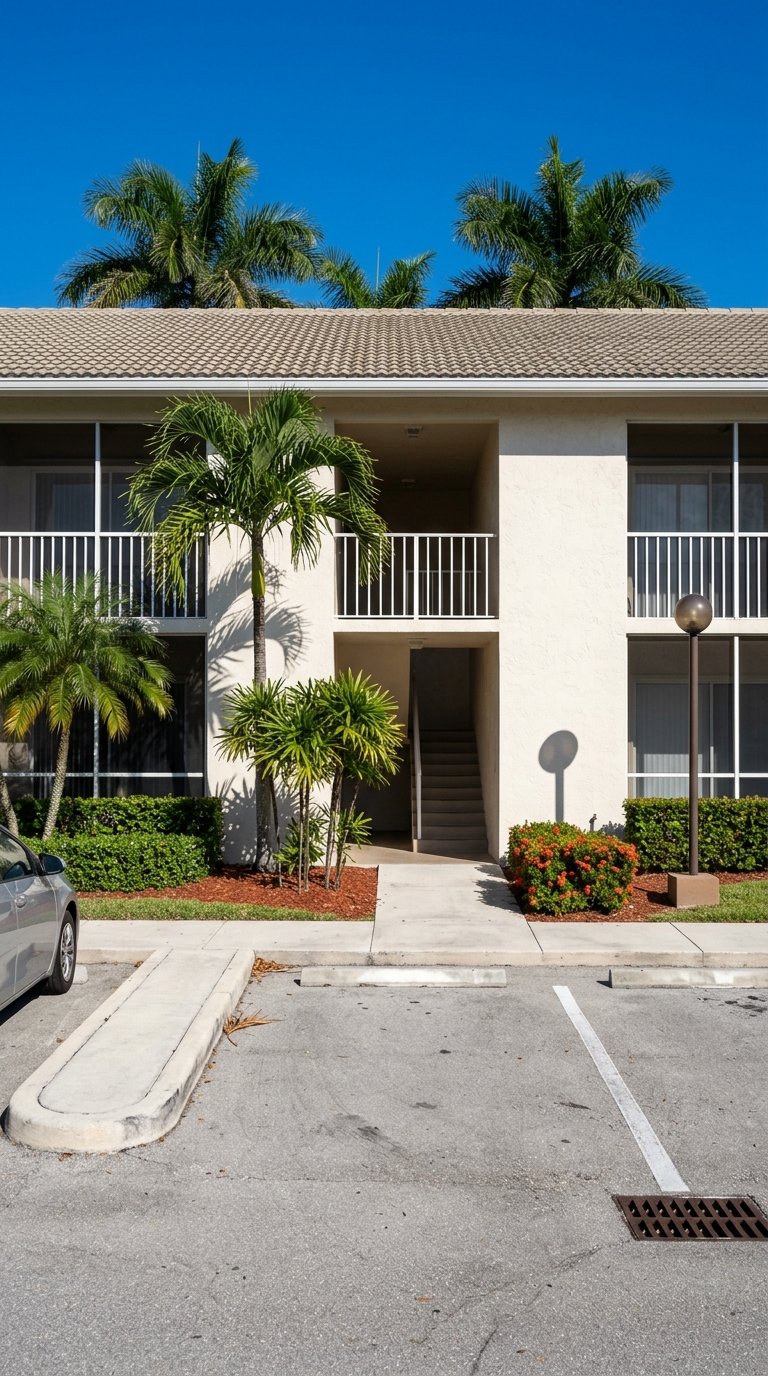
Dreaming about a coastal place you can enjoy each season without taking on more hassle than you want? If Highland Beach is on your radar, you are likely looking for a home base that feels peaceful, convenient, and manageable when you are in town and when you are away. The good news is that this small barrier-island town offers a very specific lifestyle, and understanding how it works can help you buy with more confidence. Let’s dive in.
Why Highland Beach fits seasonal living
Highland Beach is a compact coastal town in southern Palm Beach County, located between Delray Beach and Boca Raton, with the Atlantic Ocean on one side and the Intracoastal Waterway on the other. According to the town’s comprehensive plan, most residences line State Road A1A, and the town had a population of 4,295 in the 2020 Census.
That same planning document notes that the population increases during winter because of seasonal residents. It also describes Highland Beach as substantially built out, with minimal future development. For you as a buyer, that usually means your search will focus more on existing condos and homes rather than brand-new development.
What the lifestyle feels like
One of Highland Beach’s biggest draws is its quieter, more residential setting. The town’s Sea Turtle Program information describes roughly three miles of beach, while the comprehensive plan states there are currently no public beaches in town, though Palm Beach County has purchased a site for future Milani Park.
In practical terms, that creates a different feel from busier coastal destinations. If you want a seasonal base that is centered on residential living instead of a high-traffic tourist scene, Highland Beach offers that more tucked-away experience.
Access to Boca Raton and Delray Beach
A seasonal home base works best when daily convenience is within reach. Highland Beach sits directly between Boca Raton and Delray Beach, which gives you close access to nearby shopping, dining, services, and other everyday needs while still coming home to a quieter setting, according to the town’s comprehensive plan.
For many buyers, that combination is the appeal. You can enjoy a more private residential environment without feeling cut off from two of South Florida’s larger coastal cities.
Lock-and-leave features to look for
If you plan to use Highland Beach as a part-time residence, the big question is simple: how easy will it be to leave? A true seasonal property should support a lock-and-leave lifestyle with fewer day-to-day demands while you are away.
The town helps on that front through its free Away From Home Initiative. This service allows police to contact you or your emergency contact if there is a utility issue, suspicious activity, crime, or another emergency while you are gone.
The town’s comprehensive plan also outlines municipal services such as police protection, a library, water and wastewater service, and contract services including fire protection, solid waste, and postal service. For seasonal owners, those local systems add another layer of support and predictability.
When evaluating a property, it helps to think beyond the view or finishes. Ask whether the home itself, and if applicable the condo association, will make part-time ownership easier.
Seasonal-home checklist
Look for these details before you buy:
- Building or community rules for guest access
- Pet restrictions if you travel with animals
- Rental rules if you may lease the property in the future
- Parking policies for owners and visitors
- Association maintenance responsibilities
- On-site management or building staff, if applicable
- Ease of securing the property when vacant
Condo due diligence matters more now
In Highland Beach, many seasonal buyers consider condominiums because they can offer a simpler ownership structure than a detached home. But condo review is more important than ever in Florida.
The Florida Department of Business and Professional Regulation says residential condominium associations with buildings that are three or more habitable stories must complete a Structural Integrity Reserve Study and follow applicable inspection requirements. DBPR also states that inspection reports and reserve studies are official records that must be made available to potential buyers.
That matters because reserve shortfalls can lead to special assessments, loans, or lines of credit. DBPR also explains in its condominium reserve FAQ that reserve funding for structural components identified in a SIRS cannot be waived or reduced.
For you, that means condo shopping is not just about monthly fees. You should also review:
- The current association budget
- Reserve funding levels
- Recent board meeting materials
- Inspection and reserve study records
- Any discussion of upcoming repairs or assessments
A condo may still be a great fit for seasonal living, but you want the full financial and building picture before you commit.
Budgeting for a second home
Many buyers assume a seasonal property will be relatively low-cost if they only use it part of the year. In reality, a part-time residence still comes with ongoing ownership costs, so your budget should reflect the full picture.
One major item is property taxes. According to the Palm Beach County Property Appraiser, second homes, vacation homes, and rental properties are generally treated as non-homestead properties. That means they fall under a 10% assessment cap rather than the 3% Save Our Homes cap that applies to qualifying permanent residences.
The county also notes that taxes can still rise due to millage changes and non-ad valorem assessments, and the 10% cap resets after a sale. If you later make the property your primary Florida residence, the county says homestead exemption does not transfer automatically and requires a new application.
For many seasonal buyers, the takeaway is clear: model the property as a second home unless it will truly become your permanent residence.
Carrying costs to plan for
Beyond taxes, recurring costs may include:
- Condo or HOA fees
- Insurance
- Utilities
- Maintenance and repair reserves
- Storm preparation expenses
- Local help while you are away
The town’s water billing page notes that typical bimonthly utility bills include water, wastewater, solid waste, and stormwater services. Even if you use the property lightly, those costs remain part of the ownership picture.
Storm readiness is part of ownership
Any barrier-island purchase should include a practical storm plan. Highland Beach Fire Rescue states that the town is in Evacuation Zone B for all hurricane categories, and that hurricane season runs from June 1 through November 30.
The town also warns that evacuation orders can temporarily shut off essential services and close the bridges. Residents are encouraged to prepare a hurricane plan and sign up for alert tools such as CodeRED and Community Connect.
For a seasonal homeowner, this is not just background information. It should shape how you prepare the property before you leave town and how you manage risk during storm season.
Smart storm-prep steps for seasonal owners
Before leaving your Highland Beach home for an extended period, consider a plan that includes:
- Confirming who can access the property in an emergency
- Reviewing your insurance coverage and deductibles
- Securing outdoor items and storm-sensitive areas
- Enrolling in local alert systems
- Keeping key association and service contacts handy
- Making sure someone local can check on the home if needed
The town’s comprehensive plan also highlights dune protection, beach maintenance, storm impacts, sea-level rise, and chronic flooding as ongoing local issues. For seasonal owners, that is a reminder to think long term about maintenance, insurance, and resilience, not just purchase price.
Is Highland Beach the right seasonal base for you?
Highland Beach can be a strong fit if you want a mature coastal community, a quieter residential setting, and quick access to both Boca Raton and Delray Beach. It may especially appeal to buyers who value an established environment and are comfortable evaluating existing homes and condos carefully.
The best seasonal purchase here is usually one that matches your real lifestyle. That means understanding how often you will use it, how much upkeep you want to manage, whether condo rules support your plans, and how you want to budget for taxes, utilities, insurance, and storm readiness.
If you are weighing Highland Beach against nearby options, or narrowing down the right condo or home for part-time living, working with a local agent who understands Palm Beach County ownership details can make the process much smoother. If you want help comparing properties and reviewing what matters most for seasonal use, connect with Roxana Campbell.
FAQs
Is Highland Beach a good place for a seasonal home base?
- Highland Beach can work well for seasonal living because it is a quiet residential barrier-island town with municipal services, a winter seasonal population, and convenient access to Boca Raton and Delray Beach.
What makes a Highland Beach property good for lock-and-leave living?
- A strong lock-and-leave property usually has manageable upkeep, clear association rules, secure access, and support systems such as Highland Beach’s Away From Home Initiative.
What should buyers review before purchasing a Highland Beach condo?
- You should review the condo budget, reserve funding, inspection records, reserve studies, meeting materials, and rules related to pets, rentals, parking, guests, and maintenance responsibilities.
How are taxes handled for a seasonal home in Highland Beach?
- In most cases, a seasonal home is treated as a non-homestead property by Palm Beach County, which means it generally does not qualify for homestead exemption unless it becomes your true primary Florida residence.
What storm planning should seasonal owners do in Highland Beach?
- Seasonal owners should create a hurricane plan, understand evacuation rules, sign up for local alerts, review insurance, and arrange for a trusted local contact to help if a storm affects the property while they are away.