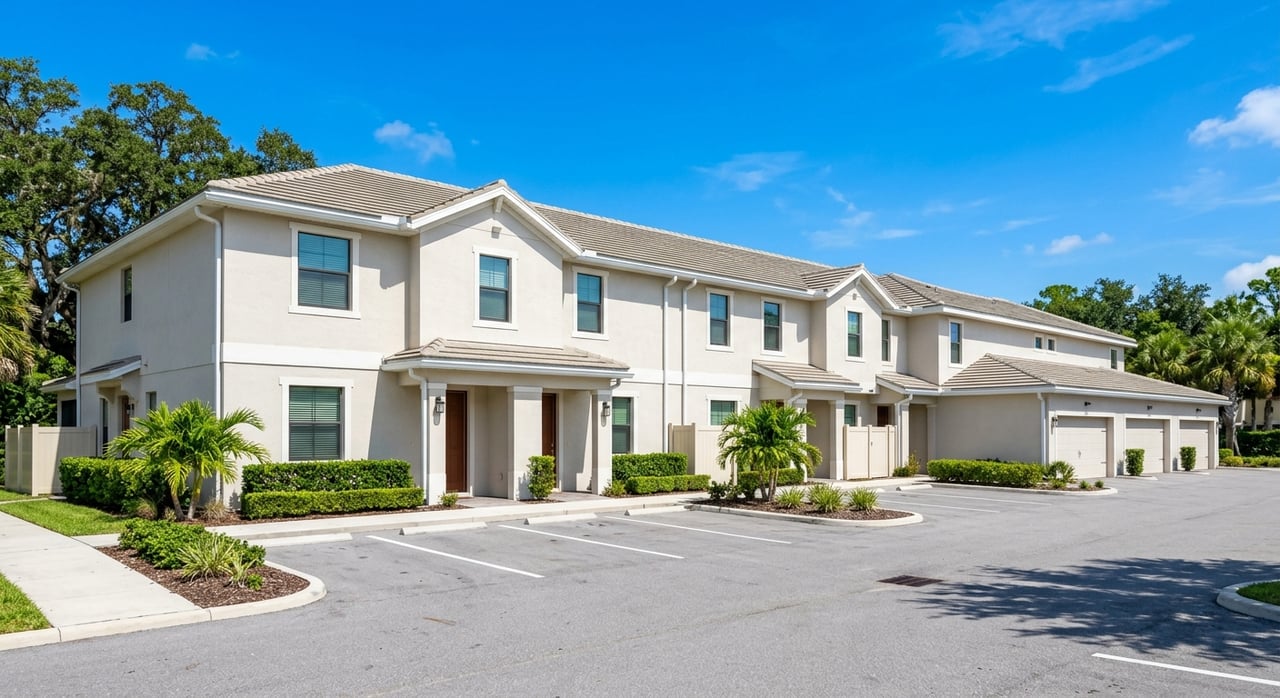
Choosing between a single-family home and a townhome in West Lake is not just about square footage. It is about how you want to live day to day, how much upkeep you want to handle, and how much flexibility you may need down the road. If you are weighing your options in the West Lake and Myrtle Grove area, this guide will help you compare the tradeoffs clearly so you can move forward with confidence. Let’s dive in.
Why this choice matters in West Lake
West Lake is commonly grouped into the broader Myrtle Grove market area, and Myrtle Grove had a 2020 Census population of 17,224. That matters because it points to a housing market with more than one lifestyle option, not a one-size-fits-all setup. In local listings, you can find both detached homes in West Lake and townhomes in the surrounding Myrtle Grove area.
That gives you a real choice between two very different ownership experiences. In simple terms, single-family homes often give you more control over your property, while townhomes often offer a lower-maintenance routine. The better fit depends on your budget, your schedule, and how you picture daily life.
Single-family home living
A single-family home is usually the better match if you want more private outdoor space and more say over the look and use of your property. Many buyers like the freedom that comes with a detached home, especially if they want room for pets, extra parking, or outdoor projects. You may also have more flexibility to personalize the exterior, depending on the community rules.
That added control often comes with added responsibility. Lawn care, exterior upkeep, and many repair costs are more likely to fall on you rather than on a shared association structure. If you like hands-on ownership, that can feel like a benefit rather than a burden.
Townhome living
A townhome can be a strong fit if you want a simpler, more lock-and-leave lifestyle. Shared walls and association-managed common areas often reduce how much exterior work you handle on your own. For many buyers, that means fewer weekend chores and a more predictable routine.
This can be especially appealing if you travel often, expect a future move, or simply do not want to spend much time on yard work. In the West Lake and Myrtle Grove area, that lower-maintenance setup can also make sense for buyers who want to stay flexible near NAS Pensacola. The tradeoff is that you may have less autonomy over certain exterior details and community rules may shape how the property is used.
The core tradeoff to understand
The biggest difference is not really style. It is control versus convenience.
A single-family home usually gives you more independence over the lot, the exterior, and everyday decision-making. A townhome usually shifts more of that responsibility into an association framework, which can make ownership feel simpler but also more structured.
Before you decide, it helps to ask yourself a few honest questions:
- Do you want yard space or minimal yard work?
- Do you want more privacy or easier exterior maintenance?
- Are you comfortable following community rules in exchange for shared upkeep?
- Are you buying for long-term living, future rental potential, or flexibility for a possible move?
HOA and condo rules matter more than you think
In Florida, the legal structure behind a property can change your ownership experience in a big way. Homeowners’ associations are governed under Chapter 720, while condominiums are governed under Chapter 718. A townhome can fall under either structure depending on its recorded declaration and governing documents.
That means not every townhome works the same way. Some function more like a traditional HOA community, while others are legally condominium-style properties with different maintenance responsibilities and budgeting rules. You should always verify which structure applies before comparing a townhome to a detached house.
What association dues may really cover
Association dues are not just another line item in your monthly budget. They are part of the operating framework of the property. Depending on the community, dues may help cover items like exterior maintenance, lawn care, roof responsibilities, paint, insurance elements, trash, pest control, or reserves.
The exact answer depends on the governing documents. That is why two townhomes with similar prices can feel very different once you look closely at what the dues actually include. A lower monthly payment on paper does not always mean lower total ownership cost.
Why records and rules deserve a closer look
Florida law places real importance on association records and governing documents. Under Chapter 720, an HOA must be a Florida corporation, keep official records, and record its governing documents in the county’s official records. The law also requires records to be kept for at least seven years, and in most cases made available to a parcel owner within 10 business days after a written request.
That matters during your due diligence. If you are considering a townhome, you want to know not just the dues, but also how the association operates, what rules apply, and whether there are any signs of financial strain or management issues.
Fines, assessments, and reserves
Association costs are about more than routine dues. Under Chapter 720, an association may levy reasonable fines for rule violations, and the statutory fine amount may not exceed $100 per violation unless the governing documents provide otherwise. The statute also authorizes assessments and charges, and unpaid amounts can be collected in the ways described by law.
If a townhome is actually a condominium, the association-driven side can be even more significant. Florida’s Condominium Act says the association is responsible for maintaining the common elements, except for limited common elements assigned to the unit owner by the declaration. Condo budgets must also include reserve accounts for capital expenditures and deferred maintenance such as roof replacement, building painting, and pavement resurfacing.
Best fit for first-time buyers
For some first-time buyers, a townhome feels easier to manage. The ownership package may be simpler because some exterior responsibilities are shared or managed by the association. That can make the day-to-day experience feel less overwhelming.
At the same time, first-time buyers should not focus only on the purchase price. You still need to budget for dues, insurance, and any repairs that remain your responsibility as the owner. A detached home may ask more from you upfront in maintenance, but it can also offer more space and freedom if that matches your goals.
Best fit for military households
NAS Pensacola is a major local driver, with more than 16,000 military and 7,400 civilian personnel in Escambia County. Navy Housing also supports families and unaccompanied personnel with off-base community housing, rental listings, and home-finding assistance. That makes housing flexibility especially relevant in the West Lake and Myrtle Grove area.
For military-affiliated households, a townhome can make a lot of sense if you want a lower-maintenance property or a setup that feels easier to leave if orders change. Navy Housing Service Center support also includes community housing help, lease reviews, and rental listings for homes, apartments, and townhomes. A single-family home may still be the better choice if you want more room and a more private setting, but it often comes with more hands-on upkeep.
Best fit for future rental plans
If you are thinking, “I may live there now and rent it out later,” the details matter. In this market, attached homes may appeal to renters who want lower upkeep, especially with the nearby military presence and off-base housing support. But rental potential is not just about bedroom count or location.
You also need to check the association rules carefully. The governing documents may address whether tenants are allowed, whether approval steps apply, and whether there are minimum lease terms. Those rules can directly affect how useful a townhome is for future rental plans.
Homestead and occupancy questions in Florida
If you plan to live in the property as your permanent residence, Florida’s homestead system may affect your tax picture. The Florida Department of Revenue says a qualifying homeowner may be eligible for a homestead exemption that can reduce taxable value by as much as $50,000. The state also offers benefits for active-duty military members and veterans.
If you later decide to rent out the property, you should pause and review the tax impact first. Renting out a homestead can cause you to lose the homestead exemption, and Florida allows only a narrow short-term rental exception that does not exceed 30 days per calendar year for two consecutive years after January 1. If your plan is to buy now and rent later, this is an important detail to verify early.
Smart questions to ask before you buy
Whether you lean toward a single-family home or a townhome, a few due-diligence questions can save you stress later. These questions are especially important with attached housing and association-run communities.
Ask for clear answers to questions like these:
- What do the dues cover exactly?
- Is the property governed by an HOA structure or a condominium structure?
- Who handles the roof, exterior paint, lawn care, and insurance responsibilities?
- Are there recent special assessments or reserve concerns?
- Are tenants allowed, and are there lease restrictions or approval steps?
- Are association records organized and accessible?
So which one fits you best?
If you want more control, more private outdoor space, and more freedom to manage your property your way, a single-family home may be the stronger fit. If you want convenience, less exterior upkeep, and a more lock-and-leave lifestyle, a townhome may check more boxes. Neither option is better across the board. The right choice depends on how you want to live and what responsibilities you want to keep.
In the West Lake and Myrtle Grove area, this decision carries extra weight because of local military-related housing demand, the mix of attached and detached options, and Florida’s association rules. When you look beyond curb appeal and compare the true ownership experience, your decision usually becomes much clearer.
If you want help weighing West Lake single-family homes against townhomes based on your budget, lifestyle, or future plans, Roxana Campbell can guide you through the details and help you choose with confidence.
FAQs
What is the main difference between a West Lake single-family home and a townhome?
- A single-family home usually offers more control, private space, and exterior flexibility, while a townhome usually offers less day-to-day exterior upkeep and a more association-managed lifestyle.
What should you review before buying a townhome in West Lake or Myrtle Grove?
- You should review the governing documents, what the dues cover, whether the property is HOA- or condo-structured, rental rules, reserve funding, and any recent assessments.
Why do military buyers near West Lake often consider townhomes?
- Townhomes can appeal to military households because they often offer a lower-maintenance setup, and NAS Pensacola housing support includes off-base housing help, rental listings, and lease review services.
Can you claim homestead and later rent out a West Lake property?
- Possibly, but renting out a homestead can cause you to lose the exemption, so you should verify the occupancy and tax implications before making that move.
Are all townhomes in the West Lake area governed the same way?
- No. A townhome may fall under an HOA or a condominium structure in Florida, and that legal setup can change maintenance duties, budgeting, and owner responsibilities.